An education saga: “Mastering” hope for the Gujarat marginalized
Already in St Ignatius’ times, education was the effective ministry Jesuits exercised while evangelizing the world. We came to be recognized as the ‘Masters of Europe’, as we proclaimed the Good News. In Gujarat in the 1920’s (after World War I), the Spanish took over from the Swiss-German Jesuits. They received a legacy of sixty-three primary schools, located in the villages, each managed by a single catechist-master, reflecting local lay-collaboration. The Gujarat Jesuits built on the foundations of these Roman Catholic Mission Schools, in their mission of evangelizing Gujarat.
Over the past hundred years, they have set up a towering educational system: 42 full-fledged formal schools, (and 56 schools handed over to the four dioceses), four technical institutes and a College of Higher Education, enhanced by social centres with remedial classes, National Open School access, and Women’s Empowerment Education Programs. Thirty-eight of these are in non-urban settings reflecting the thrust to cater and bring hope to the marginalized Adivasis and underprivileged classes. Boarding schools were set up to enable maximum access.
The enterprise was fuelled by a vision promoting Gospel values. Jesus himself preached the word and fed the multitudes, and encouraged them to build on solid rock (Mt 7:24-27). The Gujarat Jesuits followed suit. The saying “bhukhya pete bhajan na thai” (a hungry man does not make a true devotee) rang true for them. They employed education as the means to translate the hope in their evangelical message, into reality and long-term sustainable foundations. Education could answer the yearnings of the marginalized, responding to their proclamation, as they hoped for emancipation not just from physical hunger but from being discriminated against and subjugated.
Hard work, diplomatic skills, public relations, and the cooperation of the catholic community enabled us and our collaborators to get schools financially supported by the government, recognized as minority schools with minimum fees, so they could be affordable for the poor. Today, when the government is attempting to hit at the Jesuit institutions and at these sections of society to prevent their growth – doing so by denigrating their constitutional minority rights – our Jesuit system has shifted gears to set-up affordable self-financed institutions. We keep the fees, for the benefit of our marginalized poor, below the market; moreover, scholarships and free-ships are made available. In these quality institutions, education is not compromised and contributes to reinforce a future of sustainable hope.
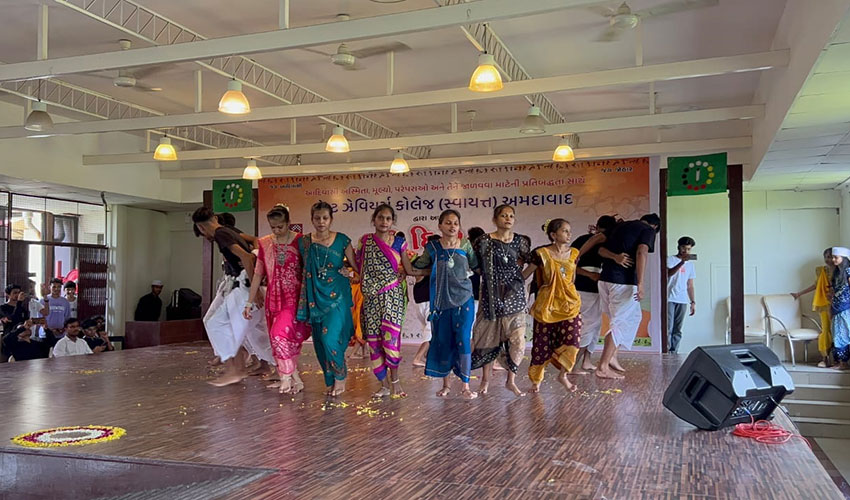
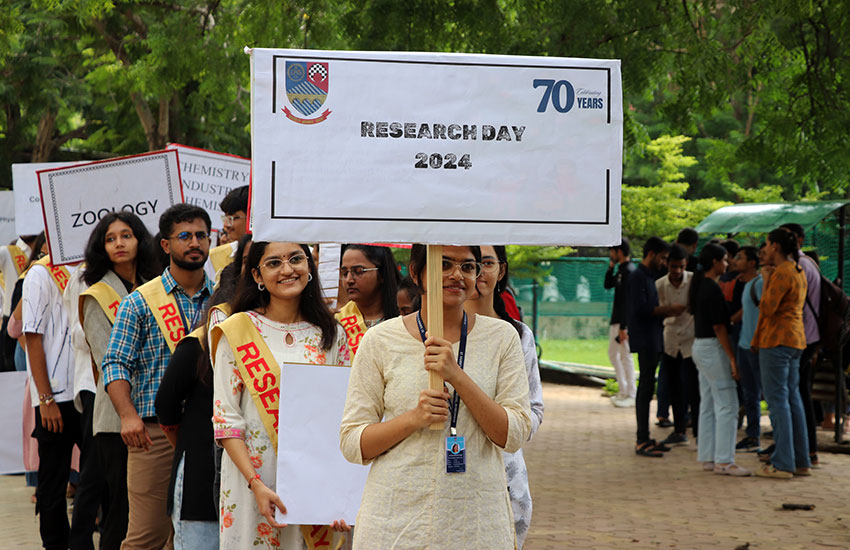
St. Xavier’s College Ahmedabad, the institution of higher education, is the jewel in the crown of the quality system. It has achieved the distinction of being the best college of the State and actively enables discriminated students to pursue undergraduate and graduate courses, even doctoral degrees, in several disciplines. It has successfully opened avenues to them to become competent professionals like teachers, lawyers, lecturers, scientists, engineers and doctors contributing positively to the country’s growth and development. The college did this by proactively recruiting and reserving quotas for the admission of underprivileged young people.
Moreover, the values-based pedagogy implemented by the Jesuits in education is rooted in the students’ context, intertwined in their life struggles and the aspirations they have of joining the technical and professional work force of the country. The goal is to ignite the marginalized students to critically understand the world and their own communities, to become persons for and with others and contribute to making a better world with a sense of “MAGIS”.